What Makes Triangle and Trapezoid Outdoor Blinds Work on Non-standard Windows
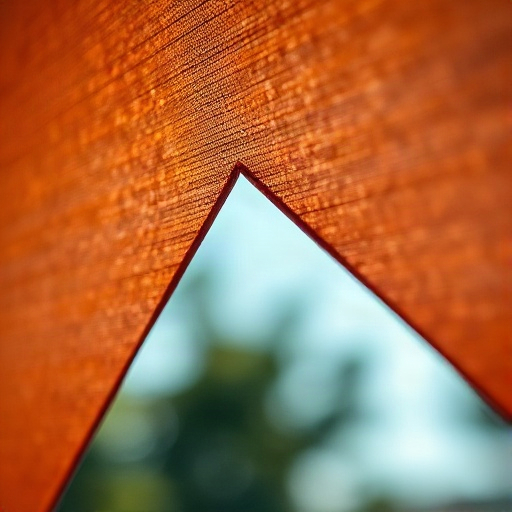
The problem with standard blinds on angled windows
Most outdoor blind systems are designed for rectangular windows. When a home features architectural glazing, gable windows, or raked facades, standard straight-edge blinds leave visible gaps and do not track properly along the angled frame. The blind cannot close flush against the glass, reducing light control and weather protection. Homeowners with these non-standard window shapes face a choice between accepting poor coverage or commissioning custom solutions.
How triangle and trapezoid outdoor blinds are engineered
Triangle and trapezoid outdoor blinds are engineered specifically to address this problem. Rather than forcing a rectangular blind into an angled frame, these systems are custom-fabricated to match the actual shape of the window opening. The blind framework, guide rails, and fabric panels are all tailored to the geometry of the space.
The engineering process begins with precise measurements of the window shape. The blind is then constructed so that the tracking rails follow the angled edges of the frame, allowing the blind to open and close smoothly along the full perimeter of the window. The fabric or slat material is cut and fitted to the exact dimensions of the opening, eliminating the gaps that occur when rectangular blinds are installed in non-rectangular spaces.
Taylorandstirling describes these as specialised shading solutions designed for homes with architectural glazing, gable windows, and raked facades. The company offers both triangle and trapezoid configurations, addressing the two most common non-standard window shapes in residential architecture.
Materials and outdoor durability
Because these blinds are installed on the exterior of the home, they must withstand weather exposure. Outdoor blind materials are typically more durable than indoor options, using UV-resistant fabrics, powder-coated aluminium frames, and stainless steel or corrosion-resistant hardware. The custom fabrication ensures that all seams, joints, and moving parts are sealed and protected according to outdoor standards.
The specific materials and durability specifications are not detailed on the product page, so interested buyers should contact the provider directly to discuss material options for their climate and exposure conditions.
Who benefits from custom angled blinds
These blinds suit homeowners with architectural or contemporary home designs that include non-standard window shapes. They are particularly valuable in homes where:
Gable windows create triangular openings in roof spaces or upper floors. Sloped or raked facades feature windows that angle with the roofline. Skylights or clerestory windows sit at angles rather than vertical. Trapezoid windows result from architectural detailing or unusual building geometry.
For these situations, custom triangle and trapezoid outdoor blinds provide functional light control and weather protection that off-the-shelf rectangular blinds cannot deliver. They also maintain the visual integrity of the architectural design by fitting the window shape rather than appearing as a compromise installation.
Getting a custom solution
Because each installation is unique, pricing and lead times are not publicly listed. The process typically involves an on-site or detailed remote measurement, custom fabrication to specifications, and professional installation. Taylorandstirling operates in Ballarat and surrounding areas, though the full service territory and delivery options are not specified on the product page. Prospective customers should contact the company directly with details of their window shapes and location to receive a quote and timeline.