How Armistead Gratton Helps Founders Scale Operations Without Full-Time Overhead
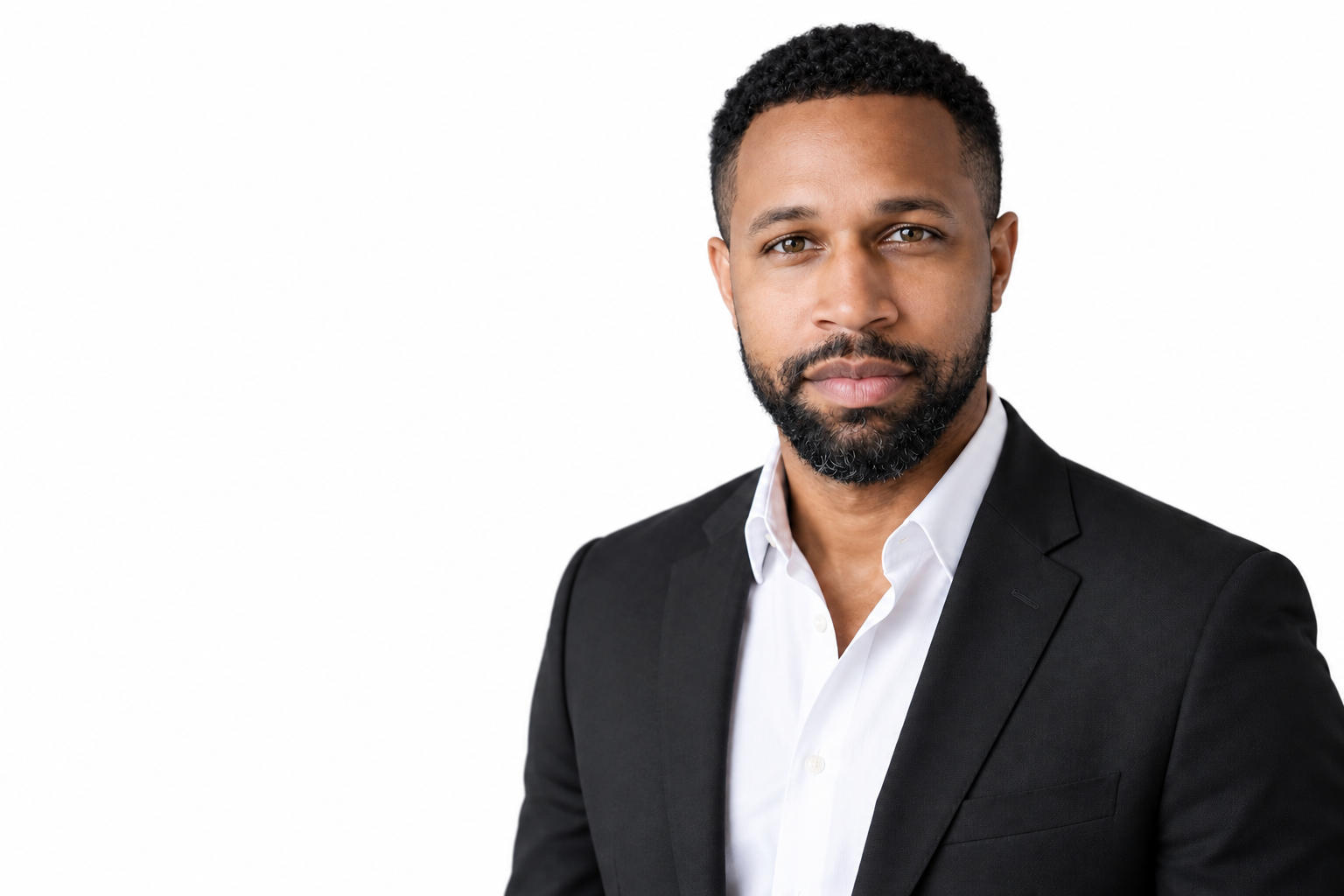
Armistead Gratton offers fractional COO and operations support designed specifically to help founders manage the complexity that comes with growth. Unlike hiring a full-time chief operating officer, Armistead Gratton provides practical operational leadership focused on streamlining systems, strengthening teams, and building consistent execution, without the salary and overhead commitment of an employee. The approach centers on three core elements: clarity in strategy, ownership of execution, and transparent partnership.
What operational challenge does Armistead Gratton address?
Growth creates complexity that often outpaces a founder's existing systems and structure. When a business moves faster than its operational foundation, decision-making, coordination, and follow-through typically fall back on the founder as the default problem-solver. Armistead Gratton works to shift this by building better operating systems, establishing clear ownership across teams, and creating the coordination and follow-up structures that allow the business to run without constant founder intervention.
The operating challenge has three common patterns: the founder remains the default decision-maker and problem-solver for everything, priorities are set but ownership and accountability for execution are unclear, and teams or tools have grown faster than the systems to manage them. Addressing these patterns is where fractional COO support differs from general consulting, because it stays grounded in actual execution rather than just advice.
How does fractional COO support differ from full-time hiring?
A fractional COO engagement provides executive-level operational thinking and practical execution without the fixed cost and commitment of a full-time employee. Full-time hiring adds permanent overhead, requires benefits and infrastructure, and commits the company to a long-term salary expense. Fractional support brings in focused operational expertise for the work that matters most, allowing founders to scale their operational capacity as needed.
Armistead Gratton describes its approach as executive thinking paired with practical execution. This means strategy is the starting point, but the actual work is in building the systems, aligning teams, and ensuring follow-through that makes the strategy real. For founders who have outgrown informal operations but are not yet ready for a full-time COO hire, or who need specialized operational support during a specific growth phase, fractional engagement offers flexibility and cost efficiency.
What does the engagement actually include?
Armistead Gratton works with founders to clarify strategy, establish ownership across the business, and build execution systems that allow the company to operate more smoothly. The work is described as grounded in actual operational work, not just advisory recommendations. This means the engagement goes beyond recommending changes and includes helping implement them so the systems are simple enough to use but strong enough to support growth.
The platform positions itself as an executive operating system for founders who need better systems, stronger teams, and consistent execution. The focus is on building a business that runs better, which requires both the strategic clarity and the practical infrastructure to make that clarity actionable across the team.
Who benefits most from this type of support?
Fractional COO support suits founders whose businesses have grown beyond informal operations but who do not yet need or want a full-time executive hire. It works well for founders who feel like the default decision-maker and problem-solver, whose teams lack clear ownership and coordination, or whose business structure has not kept pace with team and tool growth. The engagement is designed for founders ready to invest in operational infrastructure as a competitive advantage, not as an afterthought.
Startup founders, real estate brokers building teams, and independent agents scaling their operations are common fits for this type of support, because they typically manage multiple functions and need clearer systems without the cost of multiple full-time hires.